
Best Paint Colors for Small Bedrooms (According to Designers)
Choosing the right paint color for a small bedroom can transform a cramped space into a cozy retreat. The wrong shade might make your room feel even smaller, while the perfect hue can create the illusion of spaciousness and light. We’ve consulted with interior designers to bring you the most effective paint colors that will make your small bedroom feel larger, brighter, and more inviting.
Why Paint Color Matters in Small Bedrooms
Paint color affects how we perceive space. Light colors reflect more natural light, making rooms feel airier and more open. Dark colors, while cozy, can sometimes make walls feel like they’re closing in. However, the best choice depends on your specific room’s lighting, ceiling height, and your personal style preferences.
The right paint color can also influence your mood and sleep quality. Soft, soothing tones promote relaxation, while vibrant colors might energize you when you’re trying to wind down.
Top Designer-Approved Paint Colors for Small Bedrooms
1. Soft White and Off-White Shades
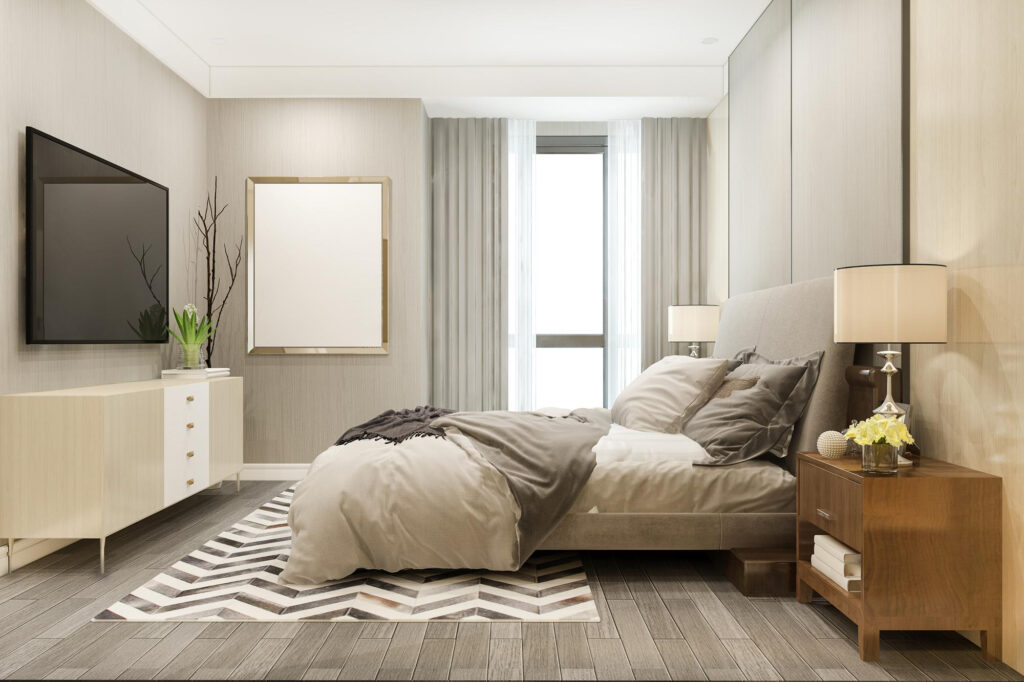
Pure white might seem like the obvious choice, but designers recommend warmer off-white shades for small bedrooms. Colors like Benjamin Moore’s “Swiss Coffee” or Sherwin-Williams’ “Alabaster” add warmth without overwhelming the space.
These shades work beautifully because they reflect light while maintaining a cozy atmosphere. Unlike stark white, which can feel clinical, off-whites create a gentle, welcoming environment perfect for rest. They also pair effortlessly with any bedding or furniture style, from modern minimalist to traditional farmhouse.
2. Pale Blue and Soft Gray-Blue
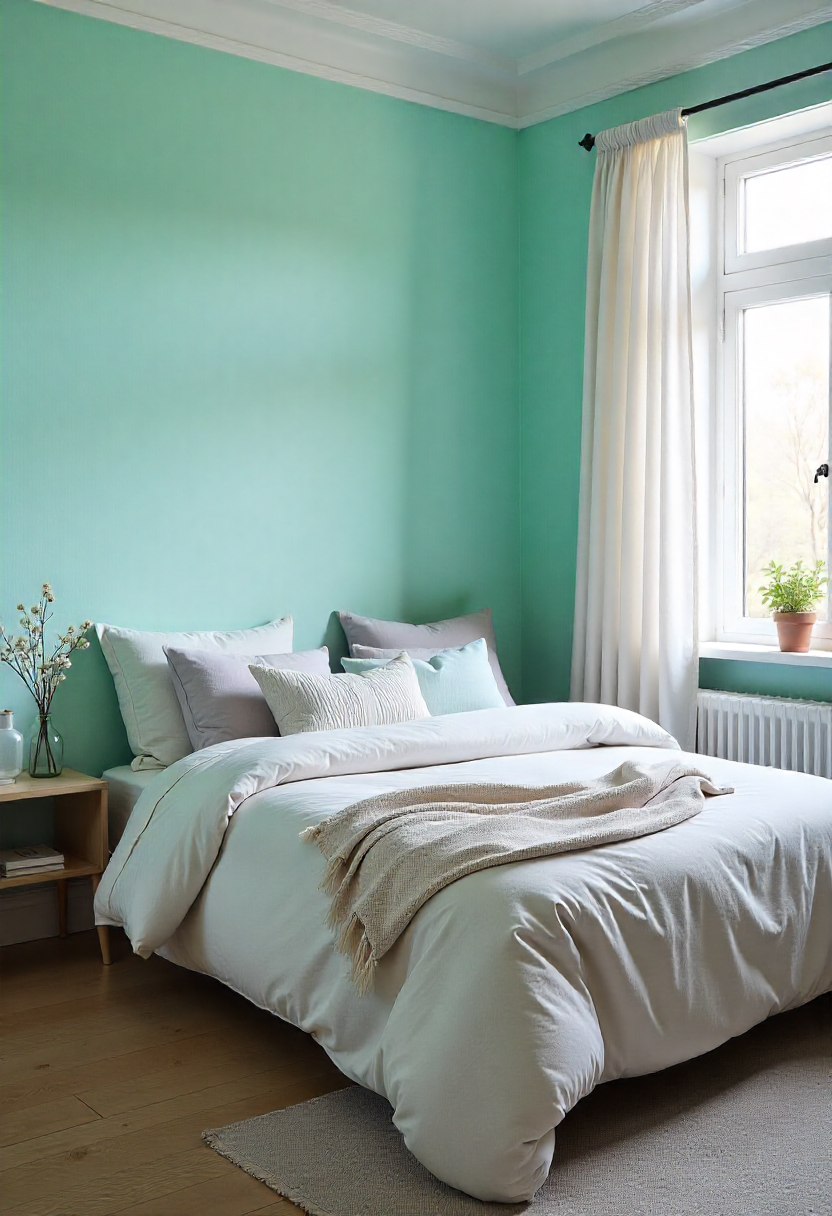
Light blue tones are among designers’ favorite choices for small bedrooms. Shades like Benjamin Moore’s “Palladian Blue” or Farrow & Ball’s “Borrowed Light” create a serene, sky-like quality that visually expands the space.
Blue has been scientifically proven to lower blood pressure and heart rate, making it ideal for a restful sleep environment. Gray-blue hybrids offer the calming benefits of blue while maintaining the sophisticated neutrality of gray, making them incredibly versatile for various decorating styles.
3. Warm Greige (Gray + Beige)
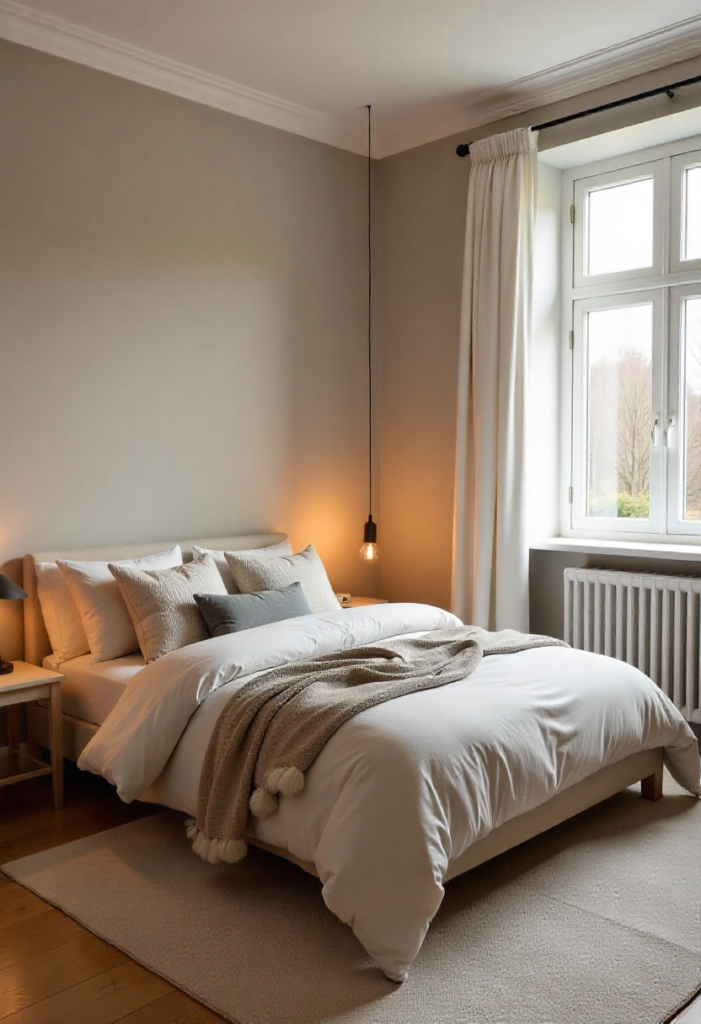
Greige has become the go-to neutral for contemporary small bedrooms. This perfect blend of gray and beige offers the best of both worlds. Popular options include Sherwin-Williams’ “Agreeable Gray” and Benjamin Moore’s “Revere Pewter.”
Greige works exceptionally well in small bedrooms because it’s neutral enough to make walls recede, yet warm enough to feel inviting. It adapts beautifully to different lighting conditions throughout the day, appearing slightly different in morning versus evening light.
4. Soft Sage Green
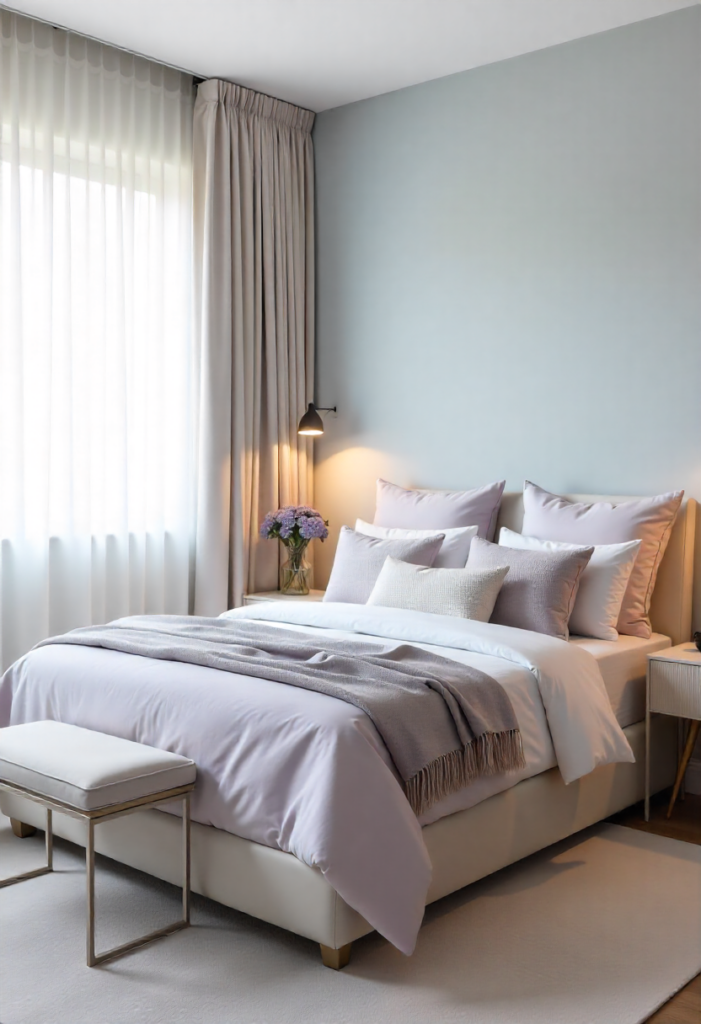
Nature-inspired greens have surged in popularity among interior designers. Soft sage shades like Benjamin Moore’s “Saybrook Sage” or Sherwin-Williams’ “Clary Sage” bring the calming essence of nature indoors.
Green promotes tranquility and has been associated with better sleep quality. In small bedrooms, pale sage tones create depth without darkness, making the space feel both intimate and open. This color pairs beautifully with natural wood furniture and white bedding.
5. Warm Blush and Dusty Pink
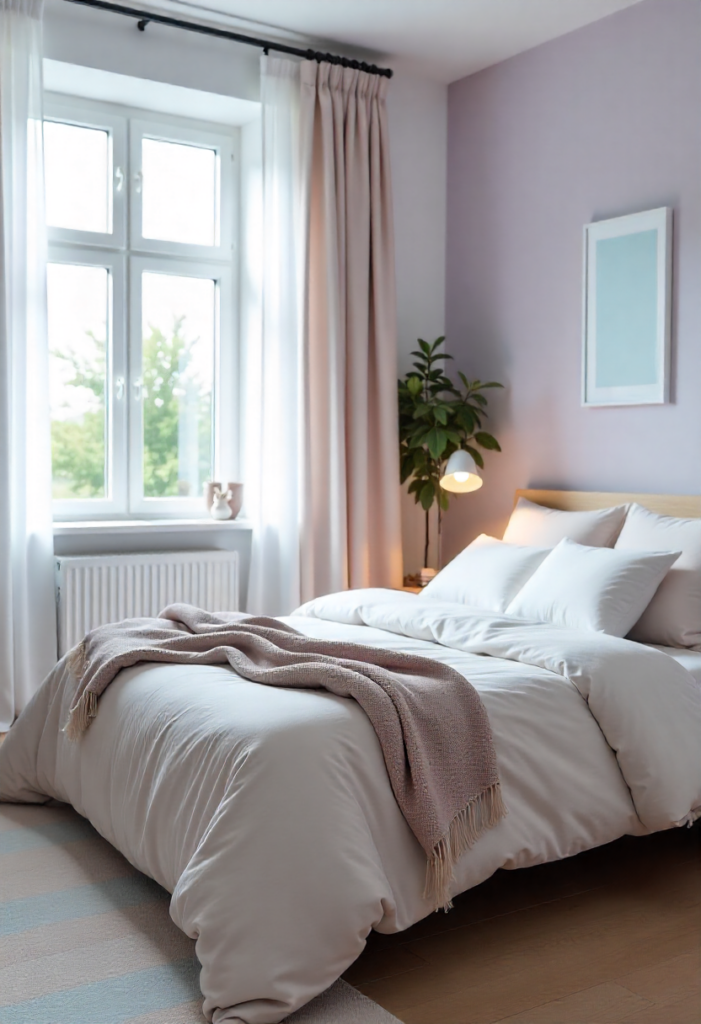
Don’t dismiss pink as too feminine or childish. Modern dusty rose and blush tones like Farrow & Ball’s “Setting Plaster” or Benjamin Moore’s “Tissue Pink” create sophisticated, cozy environments that appeal to all aesthetics.
These warm undertones add a gentle glow to small bedrooms, especially those with limited natural light. Blush pinks complement skin tones beautifully, which is particularly flattering when getting ready in front of a mirror. They also create a subtle warmth that makes the space feel embracing rather than confining.
6. Pale Lavender and Soft Purple
Lavender brings the calming properties of both blue and pink. Shades like Benjamin Moore’s “Misty Lilac” or Sherwin-Williams’ “Potentially Purple” (when diluted) create a dreamy, restful atmosphere.
Lavender has been shown to reduce anxiety and promote relaxation, making it an excellent choice for bedrooms. In small spaces, very pale lavender shades provide just enough color to add personality while maintaining an airy feel.
7. Warm Cream and Butter Yellow
For small bedrooms that lack natural light, warm creams with yellow undertones can work wonders. Colors like Benjamin Moore’s “Hawthorne Yellow” (at 50% strength) or Farrow & Ball’s “String” bring sunshine into the space.
These shades brighten dark corners and create a cheerful, uplifting environment. The key is choosing very pale versions of yellow that whisper warmth rather than shout vibrancy. They’re particularly effective in north-facing bedrooms that receive cooler, indirect light.
8. Soft Gray with Warm Undertones
The right gray can be stunning in a small bedroom, but it’s crucial to choose one with warm undertones to avoid a cold, unwelcoming feel. Try Sherwin-Williams’ “Repose Gray” or Benjamin Moore’s “Classic Gray.”
Warm grays provide a contemporary, sophisticated backdrop that makes colorful bedding and artwork pop. They’re particularly effective when you want a modern aesthetic without sacrificing coziness. Test samples in your specific lighting to ensure they don’t lean too cool.
Designer Tips for Choosing the Right Paint Color
Consider Your Lighting
Natural light dramatically affects how paint colors appear. North-facing bedrooms receive cooler light and benefit from warm paint colors. South-facing rooms get warm, bright light and can handle cooler tones. Always test paint samples on your walls and observe them at different times of day before committing.
The Ceiling Matters Too
Painting your ceiling the same color as your walls, or just one shade lighter, can make your small bedroom feel taller and more cohesive. Many designers recommend this technique to eliminate visual breaks that can make a space feel choppy and smaller.
Don’t Fear Darker Colors
While light colors are generally recommended for small bedrooms, some designers successfully use darker, moody colors in small spaces. Deep blues, charcoal grays, or even black can create an intimate, cocoon-like atmosphere. This works best when paired with excellent lighting and lighter furnishings to prevent the space from feeling cave-like.
Test Before You Commit
Always purchase sample sizes and paint large swatches (at least 2×2 feet) on different walls in your bedroom. Live with these samples for several days, observing how they look in morning light, afternoon sun, and evening artificial light. What looks perfect in the store can appear completely different in your specific space.
Consider the Finish
For small bedrooms, designers typically recommend eggshell or satin finishes. These reflect just enough light to help the space feel larger while hiding wall imperfections better than flat finishes. Save high-gloss finishes for trim and accents, as too much sheen can be overwhelming in a small room.
Color Combinations That Work
Monochromatic Schemes
Using varying shades of the same color creates a cohesive, flowing look that makes small bedrooms feel larger. For example, pair pale blue walls with slightly deeper blue bedding and navy blue accents. This approach eliminates visual breaks and creates a serene environment.
Tone-on-Tone Neutrals
Combining different neutrals in the same temperature family creates sophisticated depth. Try warm greige walls with cream bedding, tan curtains, and chocolate brown accents. This layered approach adds interest without overwhelming a small space.
Accent Wall Strategies
If you love a bolder color but worry it’s too much for your small bedroom, consider using it on just one wall. Paint the wall behind your bed a deeper or more saturated shade while keeping the other three walls in a lighter, coordinating color. This creates a focal point and adds depth without making the entire room feel smaller.
Common Mistakes to Avoid
Choosing Colors Based Only on Trends
While it’s tempting to follow the latest color trends, your bedroom should reflect your personal style and promote your relaxation. A trendy color that stresses you out won’t help you sleep, no matter how popular it is on social media.
Ignoring Undertones
Every paint color has undertones, warm or cool secondary hues that become apparent in different lighting. A “gray” might actually have blue, purple, or green undertones that clash with your furnishings. Understanding undertones is crucial for selecting a color that works harmoniously in your space.
Painting Without Proper Preparation
Even the most beautiful paint color will look terrible over damaged walls. Take time to fill holes, sand rough patches, and prime properly. This is especially important in small bedrooms where you’re close to the walls and more likely to notice imperfections.
Forgetting About Existing Elements
Your paint color needs to work with fixed elements you can’t change, like flooring, built-in furniture, or window frames. Bring samples of these elements when shopping for paint to ensure everything coordinates beautifully.
Making Your Color Choice Work Harder
Strategic Lighting
Even the perfect paint color needs good lighting to shine. Layer your lighting with overhead fixtures, bedside lamps, and perhaps wall sconces. Warm LED bulbs (2700-3000K) complement most bedroom paint colors and create a cozy atmosphere.
Complementary Decor
Once you’ve chosen your paint color, select bedding, curtains, and accessories that enhance it. For cool-toned walls, incorporate warm-toned textiles to prevent a cold feeling. For warm-toned walls, cool-toned accents can provide refreshing contrast.
Texture and Pattern
In small bedrooms painted in subtle colors, texture becomes crucial for visual interest. Add dimension through textured wallpaper on one wall, woven baskets, knitted throws, or patterned pillows. These elements create depth without overwhelming the space.
Conclusion
The best paint color for your small bedroom ultimately depends on your personal preferences, lighting conditions, and existing decor. While designers favor light, neutral tones with warm undertones for their space-enhancing properties, don’t be afraid to choose a color that makes you feel happy and relaxed.
Remember that paint is one of the most affordable and changeable aspects of interior design. If you try a color and don’t love it, you can always repaint. The key is making an informed decision based on proper testing and consideration of your specific space.
Take your time, test your options thoroughly, and trust your instincts. Your small bedroom can become a beautiful, restful retreat with the perfect paint color setting the foundation for your personal sanctuary.